Enabling Creative Economies: Nordicity’s Work with the ICR Facility
Author: Carly Frey, Barbara Adagblenya, Agathe Dupeyron, Daniela Jaramillo
Date: Jul 29, 2026
News type: Nordicity News
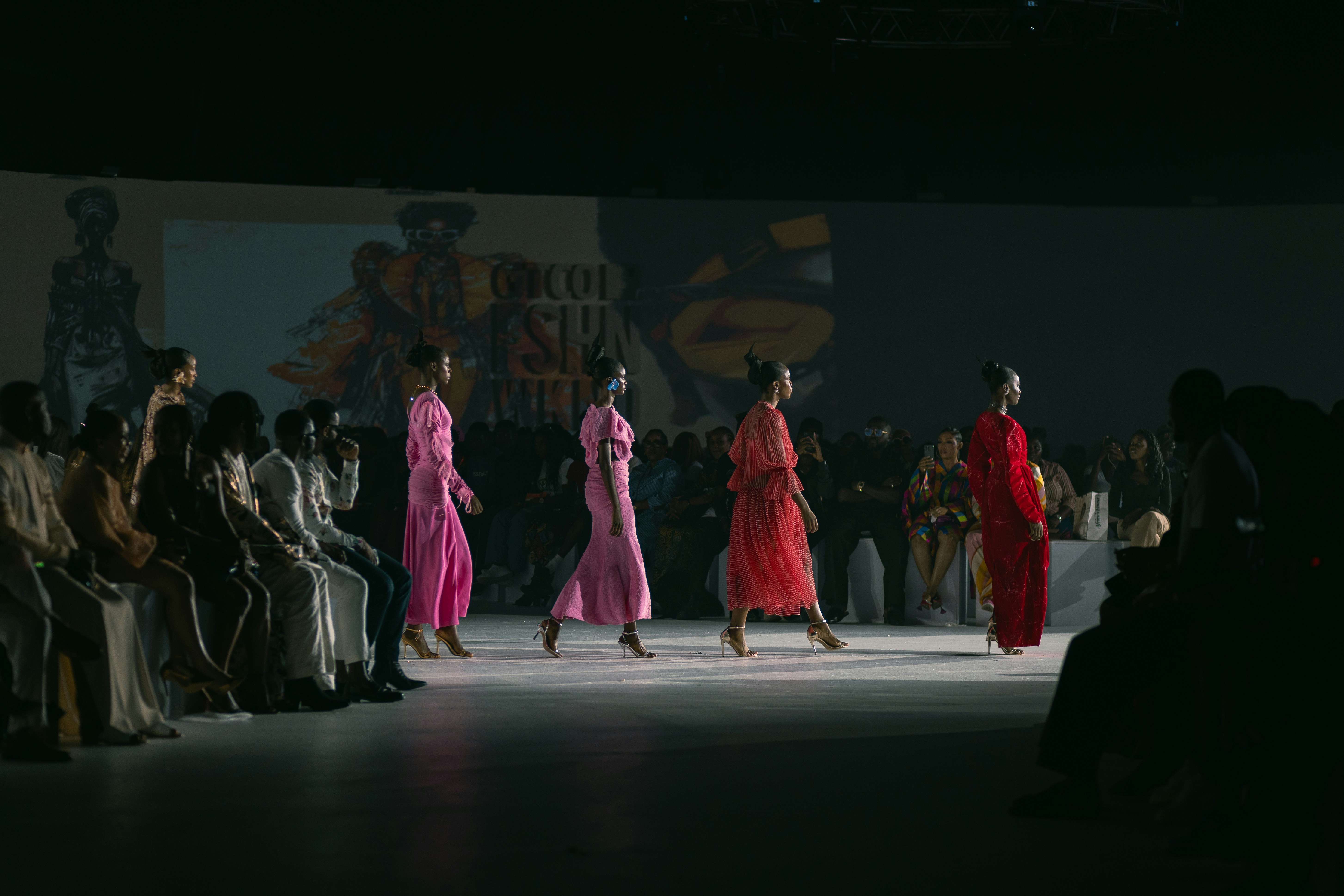
Over the past couple years, Nordicity has had the privilege of leading a series of technical assistance projects under the Investment Climate Reform (ICR) Facility – an ambitious multi-donor initiative supporting countries across Africa, the Caribbean and the Pacific to strengthen business environments, unlock private sector growth, and advance inclusive economic development.
At its core, the ICR Facility – administered by the British Council – works with governments and industry stakeholders to co-design policy, regulatory, and institutional reforms – ensuring that economic systems are more inclusive, more enabling, and better aligned with long-term development outcomes.
For Nordicity, this has been a powerful platform to bring our cultural and creative economy expertise into the heart of global development policy.
Three countries, one throughline: enabling creative economies
Uganda – Unlocking the creative industries
In Uganda, Nordicity supported a comprehensive review and forward-looking update of the national cultural policy. Working with government, parliamentarians, and industry stakeholders, the project identified critical policy gaps – from fragmentation across ministries to limited commercialisation pathways – and developed actionable recommendations to better position the creative industries as a driver of jobs, innovation, and youth opportunity.
Zimbabwe – Strengthening intellectual property frameworks
In Zimbabwe, our focus turned to the enabling environment for creators. Nordicity led a multi-stakeholder process to assess and strengthen the intellectual property (IP) ecosystem underpinning the creative industries. We delivered an evidence base, policy guidance, and an anti-piracy strategy to support creators in capturing value from their work and participating more fully in formal markets.
Ghana – Business environment reform for social enterprises
In Ghana, the work extended beyond the creative sector to the broader ecosystem of social enterprises – organizations that blend commercial models with social impact. Here, the focus was on identifying regulatory and market barriers, as well as shaping reforms that enable mission-driven enterprises (including those in cultural sectors) to scale sustainably and contribute to inclusive growth.
What this adds up to:
Taken together, these projects reflect something larger than the sum of their parts. They demonstrate how creative economies sit at the intersection of culture, policy, and economic development – and how unlocking their potential requires coordinated action across:
- Policy and governance frameworks
- Intellectual property and market systems
- Business environment reform and enterprise support
They also reinforce a core belief at Nordicity: that cultural and creative industries are not a “nice to have” – they are foundational to inclusive growth, particularly in youthful, rapidly urbanizing economies.
Looking ahead:
As global development agendas increasingly focus on jobs, innovation, and resilience, we see a growing role for integrated approaches that connect creative economy development with investment climate reform.
Our work with the ICR Facility has deepened Nordicity’s ability to:
-
Operate at the intersection of culture and economic policy
-
Translate sector insights into actionable reform agendas
-
Convene diverse stakeholders – from ministries to creators – to co-design solutions
We’re excited to continue building on this work – supporting partners around the world to unlock the full economic and social potential of their creative sectors.
Want to learn more about Nordicity’s Global Development practice? Visit https://www.nordicity.com/what-we-do/global-development/